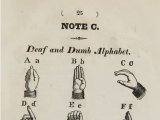
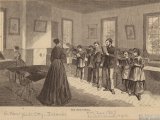
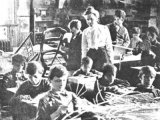
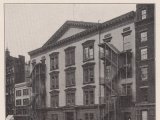
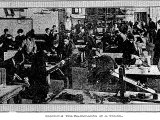
Educators teach sign language at the “New York Institution for the Instruction of the Deaf and Dumb”.
An educator for the deaf brings three boys from the blind ward on Blackwell’s Island to be educated in Manhattan in the first New York school for the blind.
A school for Disabled students operates on Randall’s Island.
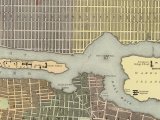
Social welfare reformers create institutions for the poor, like hospitals, almshouses, asylums for orphans and people with disabilities, and housing for immigrants on islands away from the city.
New York City students gather in a school auditorium.
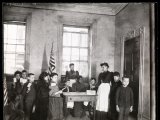
Students participate in a mock election at their school.
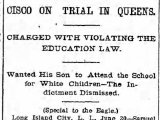
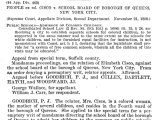
Samuel B. Cisco is charged with violating truancy laws after refusing to send his children to a segregated school.
After her husband passes away, Mrs. Elizabeth Cisco continues the fight against segregation in the courts.
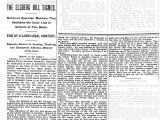
New York’s state legislature ends legal segregation in schools.
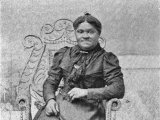
Mrs. Elizabeth Cisco sits for a studio portrait.
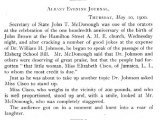
Elizabeth Cisco is recognized for her role in ending legal segregation.
Elizabeth Farrell teaches a classroom of children with intellectual disabilities in an “ungraded class.”
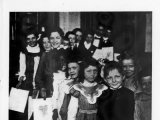
A photographer captures an image of children in a NYC public school.
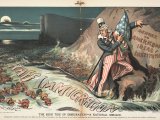
A political cartoon depicts anti-immigrant attitudes.
New York City opens its first public school for Deaf children.
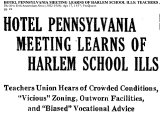
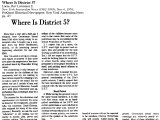
The New York Times publishes a feature article about the complex NYC school system and its offerings for various students.
The NYC Board of Education holds a hearing to decide between different types of tactile type to be the standard for New York City schools.
Henry Goddard writes about the use of intelligence tests for “delinquent girls.”
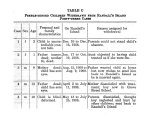
Parents withdraw their children from the school on Randall’s Island.
William Maxwell serves as the first superintendent of NYC schools.
American psychologists adapt Alfred Binet’s intelligence test for use in schools.
The US Army gives its soldiers intelligence tests.
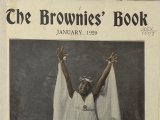
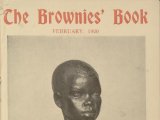
W.E.B. DuBois and the NAACP launch the children’s magazine The Brownies’ Book.
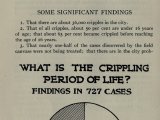
Charities and hospitals caring for children who became disabled by polio conduct a citywide survey.
The Brownies’ Book prints its second issue.
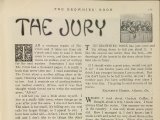
The Brownies’ Book’s readers write back to the magazine.
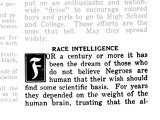
DuBois criticizes intelligence testing in The Crisis.
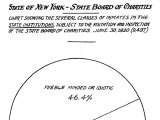
An annual report for the New York State Board of Charities shows the number of “inmates” that lived in state institutions like reformatories and state schools.
The Survey Graphic publishes a special issue about art and intellectual life in Harlem, edited by Alain Locke.
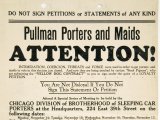
The Brotherhood of Sleeping Car Porters organizes protest rallies.
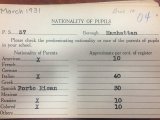
The Board of Education counts its pupils by “nationality.”
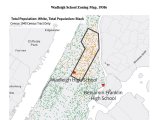
The NYC Board of Education draws school zones to segregate Wadleigh as an all-Black school.
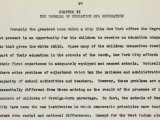
Mayor LaGuardia forms a commission to study the root causes of the 1935 “Harlem Riot.”
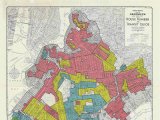
The Home Owners’ Loan Corporation produces maps intended to guide how banks make loans for home purchases.
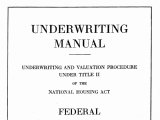
The Federal Housing Administration publishes guidelines for mortgage lending.
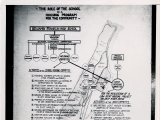
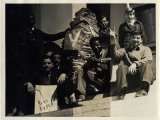
Benjamin Franklin High School students advocate for better housing for their East Harlem community.
Benjamin Franklin High School students participate in a wartime effort to conserve paper.
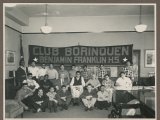
Benjamin Franklin High School students participate in “Club Borinquen” to celebrate their Puerto Rican identity.
Queens parents criticize assignment of Black students to classes for the “mentally retarded”.
NAACP Youth Council’s publication, The Challenge, describes activism against segregation.
Willowbrook State School opens as the largest state institution of its kind in the United States.
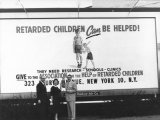
Parents of children with intellectual and developmental disabilities come together to create day programs for their children, who were shut out of the public school system.
In the 1950s, children with intellectual disabilities could be excluded from public schools despite laws that required children to attend schools.
NAACP distributes a questionnaire to Black and Puerto Rican families about school segregation.
The Board of Education appoints a Commission on Integration to study racial segregation in New York City schools and make recommendations for integrating them.
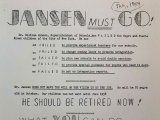
Harlem community members call on Superintendent William Jansen to resign.
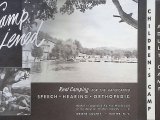
A brochure advertises Camp Jened to Disabled teens and adults around the country.
Camp Jened helps its counselors learn to support Disabled campers.
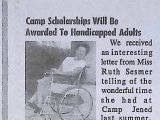
United Cerebral Palsy spreads the word about Camp Jened.
Mae Mallory, Viola Waddy and other members of the “Harlem Nine” boycott Harlem schools.
A judge rules in favor of parents whose children participated in the “Harlem Nine” boycott and were charged with neglect.
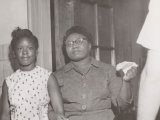
During the “Harlem Nine” boycott, Mae and Patricia Mallory become the face of the struggle.
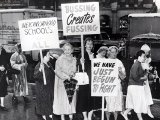
When a plan to bus Black and Puerto Rican students to schools in the Glendale-Ridgewood area of Queens with all-white schools is announced, white mothers organize a protest.
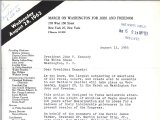
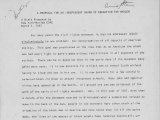
A. Philip Randolph writes to President Kennedy about the upcoming March on Washington for Jobs and Freedom.
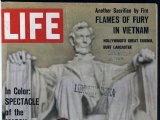
Life magazine features A. Philip Randolph and Bayard Rustin.
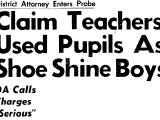
“600” School investigated over claim teachers used pupils as shoe shine boys.
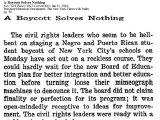
An op-ed in The New York Times captures an example of white, liberal New Yorkers’ resistance to desegregation.
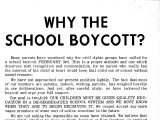
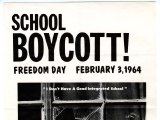
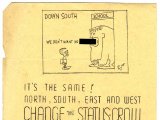
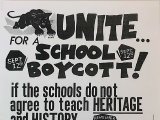
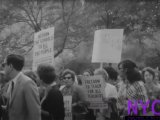
Call for a boycott of New York City’s public schools to desegregate.
Ella Baker and others encourage the establishment of Freedom Schools in the North.
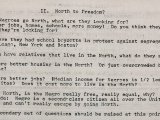
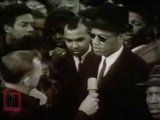
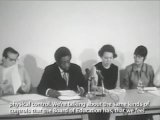
Malcolm X answers questions about the boycott in this interview video.
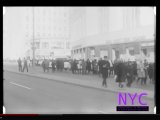
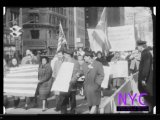
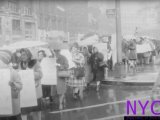
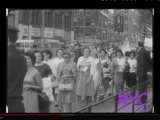
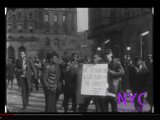
A silent film recorded by the New York Police Department showing protesters at the Board of Education headquarters and marching during the February 3, 1964 boycott.
Rallies and smaller protests take place throughout the city as part of the school boycott.
Reporter Gertrude Wilson writes about how women and young people worked to make the February 3 boycott happen.
New York City schools head James Donovan calls the boycott “a fizzle.”
Organizer Milton Galamison and other desegregation advocates call for a second boycott, to take place on March 16, 1964.
Puerto Rican community organizations are joined by others who are in solidarity with them marching at City Hall.
A group of white parents calling themselves “Parents and Taxpayers” lead a march from the Board of Education building in Brooklyn to City Hall in Manhattan.
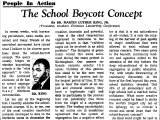
Dr. King writes about the “school boycott concept” and its application across the country.
Galamison describes the push for educational justice.
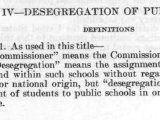
President Lyndon B. Johnson signs the Civil Rights Act into law, which included a “watered down” section on school desegregation.
White parents organize and protest in favor of segregation.
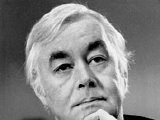
The Moynihan Reports blames Black Americans’ culture and values for their poverty.
Galamison takes the boycott to the “600” schools.
The Operation Shut Down boycott begins, including three junior high schools and one “600” school for children labeled as “socially maladjusted” or “emotionally disturbed.” The boycott continues for seven weeks.
James Farmer of CORE critiques the Moynihan Report.
Whitney Young of the National Urban League critiques the Moynihan Report.
The Harlem branch of the Black Panther Party organizes Operation Shut Down.
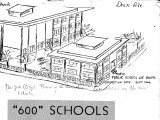
Report published on “600” Schools for NYC DOE
The Black Panther Party calls for Operation Shut Down to boycott Harlem schools.
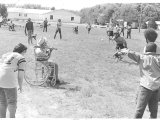
Campers play baseball at Camp Jened.
Harlem CORE proposes that Harlem have its own school district.
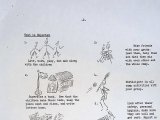
Campers at Camp Jened write about their experiences.
United Federation of Teachers members march in protest.
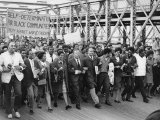
Community control advocates march across the Brooklyn Bridge.
Brooklyn parents explain their support for community control.
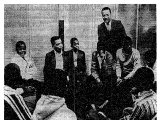
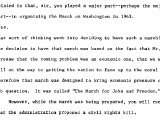
Bayard Rustin talks about his work with A. Philip Randolph in 1941 and 1963.
United Bronx Parents argue against the New York State decentralization law.
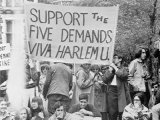
Black and Puerto Rican high schoolers name their demands.
City College students occupy campus to call for reforms in admissions and curriculum.
I.S. 201 hosts a memorial service for Malcolm X.
City College student protesters outline the changes they want to see in their university.
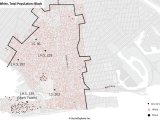
US Census data shows segregation in Brooklyn’s Community School District 21.
United Bronx Parents protest poor quality school lunch.
United Bronx Parents encourage parents to come together to discuss bilingual education.
Preston Wilcox advocates for community control of schools.
Poet June Jordan speaks at a school in Brooklyn’s community control district.
Denise Oliver becomes a leader in the Young Lords Party.
The Young Lords party creates spaces for members to study history and politics.
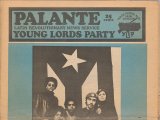
The Young Lords Party publishes a newspaper to communicate their ideas.
United Bronx Parents researches problems faced by Puerto Rican students in Bronx schools.
S.O.F.E.D.U.P. organizes at Brooklyn College for accessible education for Disabled students.
Geraldo Rivera’s exposé of Willowbrook and Letchworth State schools airs.
Local journalist Richard Kotuk describes the creation of segregated white and Black neighborhoods in Coney Island.
Journalist Richard Kotuk interviews Mark Twain students and parents about school desegregation.
Mark Twain offers limited academic offerings to its Black and Puerto Rican students.
Community School District 21 proposes desegregating Mark Twain by making it a school for “gifted and talented” students.
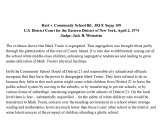
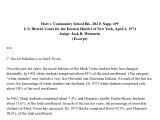
Federal District Judge Jack Weinstein details how school zoning policy segregated Mark Twain Junior High School.
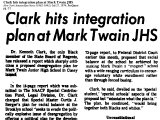
Dr. Kenneth Clark denounces Mark Twain desegregation plan.
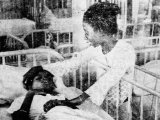
The New York Daily News writes about Willie Mae Goodman’s success in keeping her daughter Marguerite at the Gouverneur Hospital and improving the care of all residents there.
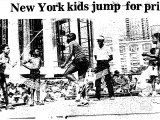
Black girls jump Double Dutch.
A Harlem minister criticizes his local school district.
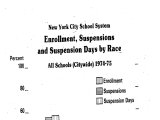
The US Department of Health, Education, and Welfare investigates discrimination in NYC schools.
Chinese American activist Goldie Chu participates in community control of schools.
New York City parents file suit to get access to schooling for Disabled students.
Parents and children protest for transportation to school for Disabled students during a 3-month bus driver strike.
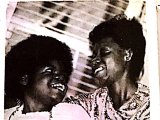
Willie Mae Goodman and her daughter Marguerite Goodman are photographed together.
Writer Audre Lorde is photographed at a desk, surrounded by books and papers.
South Bronx teens jump Double Dutch.
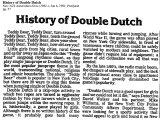
The Amsterdam News presents the history of Double Dutch.
The Eighth Annual World International Double Dutch Competition is held at Lincoln Center.
Noticias del Mundo profiles a bilingual school in the Bronx.
NYU researchers outline special education reforms.
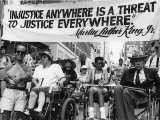
Disability Independence Day March participants gather under a banner quoting Dr. Martin Luther King, Jr.
Toni Cade Bambara recalls how her Puerto Rican neighbor was treated when he went to school.
Students at Lexington School for the Deaf protest the hiring of a non-Deaf leader.
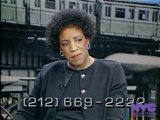
A New York City local news show discusses special education.
A New York City student asks why students in special education are treated differently than other students.
Bob Beamon describes his experience in a “600” school.
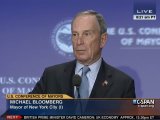
Mayor Michael Bloomberg calls for mayoral control of schools.
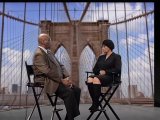
Judy Heumann reflects on her school experiences in Brooklyn, NY.
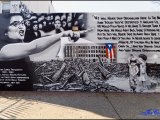
Tats Cru paints a mural to commemorate the life and work of Evelina López Antonetty.
Mayor Bloomberg explains his view of school improvement under mayoral control.
Community control activist Jitu Weisi critiques mayoral control.
Denise Oliver and other Young Lords members reflect on their years in the party and what they learned.
Chancellor Joel Klein speaks about his approach to leadership and school change.
Podcast explores the impact of charter schools.
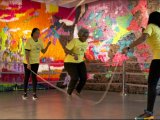
Reverend Malika Leigh Whitney describes Double Dutch Dreamz.
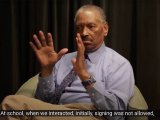
Thomas Samuels recalls his experiences as a Deaf teen in New York City.
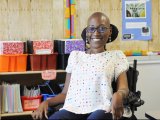
Lateef McLeod reads his poem “I am too pretty for some ‘Ugly Laws.’”
A teacher in the Bronx sues her school for not providing a wheelchair accessible bathroom after years of requests.
Willie Mae Goodman reflects on her activism fighting for her daughter Marguerite and other Disabled children and adults.
Mark Twain operates as a “gifted and talented” school today.